Chemical Peel for Depigmentation: An Expert Guide to Fading Dark Spots and Achieving Even Skin Tone

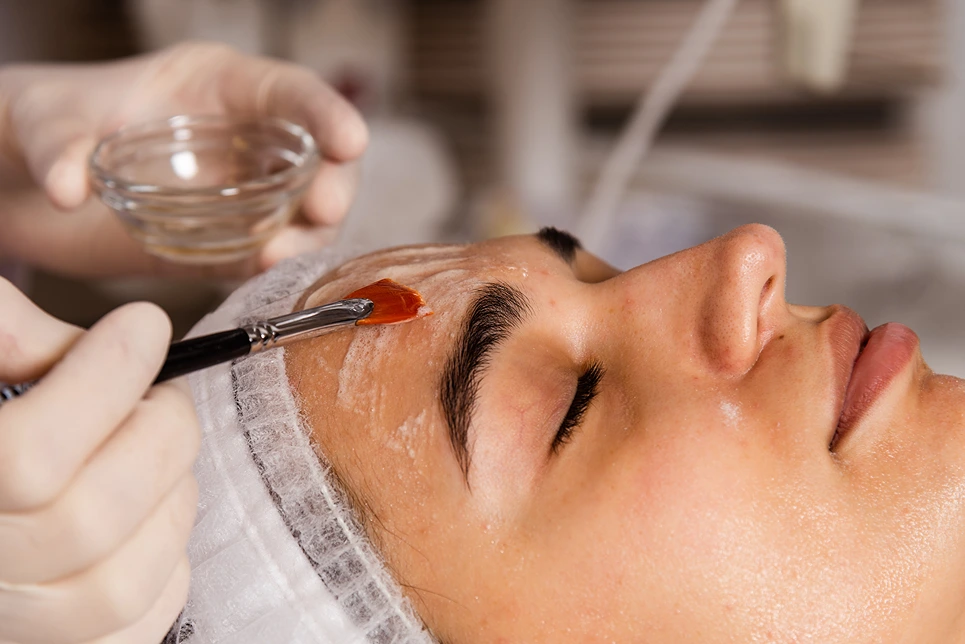
Uneven skin tone, pigmentation marks, and dark spots are common skin concerns that affect people of all ages. Factors such as sun exposure, hormonal changes, acne scars, aging, and environmental stress can lead to excessive melanin production, resulting in visible pigmentation. Many people look for effective dermatological solutions to achieve clearer and more balanced skin. A chemical peel for depigmentation is one of the advanced skin treatments designed to reduce pigmentation, improve skin texture, and restore a brighter complexion.
Understanding Depigmentation and Skin Pigmentation Issues
Skin pigmentation occurs when melanin, the natural pigment responsible for skin color, is produced in excess or distributed unevenly. Conditions such as melasma, post-inflammatory hyperpigmentation, sunspots, and acne-related marks can create patches of darker skin that may become difficult to manage with regular skincare products.
Depigmentation treatments aim to reduce the appearance of these dark areas by targeting excess pigment and encouraging healthier skin regeneration. A chemical peel for depigmentation works by applying specially formulated chemical solutions that remove damaged surface layers of the skin, allowing fresh and more evenly toned skin to appear.
What Is a Chemical Peel for Depigmentation?
A chemical peel is a dermatological procedure that uses active ingredients to exfoliate the skin and improve various concerns, including pigmentation. During the treatment, a dermatologist applies a controlled chemical solution to the skin. This solution removes dead skin cells and damaged layers while stimulating the natural renewal process.
A chemical peel for depigmentation specifically focuses on reducing pigmentation irregularities by targeting excess melanin deposits. Depending on the severity of pigmentation and skin type, dermatologists may recommend different types of peels, including mild, medium, or deeper chemical peels.
The treatment is customized according to individual skin needs, ensuring better results while minimizing potential side effects.
How Does a Chemical Peel Help Reduce Dark Spots?
Dark spots develop when excess melanin accumulates in specific areas of the skin. Chemical peels help address this issue through controlled exfoliation. By removing the outermost damaged skin layers, the treatment gradually fades pigmentation and encourages the growth of healthier skin cells.
A chemical peel for depigmentation can help improve several pigmentation concerns, including:
- Sun-induced dark spots
- Melasma-related pigmentation
- Acne scars and post-acne marks
- Uneven complexion
- Dull and rough skin texture
The procedure does not instantly remove pigmentation but works gradually through multiple sessions recommended by a skincare professional.
Types of Chemical Peels Used for Depigmentation
Different chemical peel formulations are used depending on the depth of pigmentation and the condition of the skin. A dermatologist evaluates the skin before selecting the most suitable option.
Superficial Chemical Peels
Superficial peels are commonly used for mild pigmentation concerns. They work on the outermost layer of the skin and usually involve ingredients such as alpha hydroxy acids (AHAs) or other gentle exfoliating agents. These peels are suitable for improving skin brightness, mild discoloration, and overall texture.
Medium Chemical Peels
Medium peels penetrate deeper into the skin and are often recommended for more noticeable pigmentation issues. They can help reduce stubborn dark spots, uneven tone, and certain types of pigmentation caused by sun damage.
Advanced Depigmentation Peels
Advanced peels may contain specialized ingredients designed specifically for pigmentation control. These treatments require professional supervision because stronger formulations must be carefully applied according to skin sensitivity and condition.
Benefits of Chemical Peel for Depigmentation
A chemical peel for depigmentation offers several benefits when performed by a qualified dermatologist. Some of the major advantages include:
Reduces Dark Spots
The primary benefit of this treatment is its ability to reduce the appearance of unwanted pigmentation. By removing damaged skin layers and improving cell turnover, chemical peels help create a more balanced complexion.
Improves Uneven Skin Tone
Pigmentation often causes the skin to appear patchy or inconsistent. Chemical peels help promote uniform skin tone by addressing areas affected by excess melanin.
Enhances Skin Texture
Apart from pigmentation correction, chemical peels also improve roughness, dullness, and uneven texture. The removal of dead skin cells allows skincare products to penetrate more effectively.
Encourages Skin Renewal
The exfoliation process stimulates natural skin regeneration. New skin cells replace damaged ones, resulting in smoother and healthier-looking skin over time.
Who Can Consider a Chemical Peel for Depigmentation?
A chemical peel may be suitable for individuals experiencing pigmentation problems, dark patches, or uneven complexion. However, not everyone is an ideal candidate. A dermatologist considers factors such as skin type, pigmentation severity, medical history, and previous skincare treatments before recommending the procedure.
People with active skin infections, severe irritation, or certain skin conditions may need alternative treatments. A professional consultation helps determine whether a chemical peel for depigmentation is appropriate.
What to Expect During the Treatment Process
Before the procedure, a dermatologist examines the skin and selects the appropriate peel formula. During treatment, the chemical solution is carefully applied to the targeted areas. Patients may experience mild tingling, warmth, or temporary sensitivity depending on the peel strength.
After the procedure, the skin may appear slightly red or experience peeling as part of the renewal process. These effects are generally temporary and vary from person to person. Following post-treatment instructions is important for achieving safe and effective results.
Aftercare Tips for Better Results
Proper aftercare plays an important role in maintaining results after a chemical peel. Some essential skincare practices include:
Use Sunscreen Regularly
Sun protection is extremely important after pigmentation treatments. Exposure to ultraviolet rays can trigger further pigmentation and reduce treatment effectiveness. A broad-spectrum sunscreen should be applied daily.
Avoid Harsh Skincare Products
After a peel, the skin may be more sensitive. Avoiding strong exfoliants, irritating ingredients, and aggressive scrubbing helps protect the healing skin.
Keep Skin Hydrated
Moisturizing regularly supports the skin barrier and helps reduce dryness or discomfort during recovery.
Follow Dermatologist Recommendations
Every skin type reacts differently to treatments. Following professional advice regarding skincare products and treatment schedules helps improve outcomes.
Are Chemical Peels Safe for Pigmentation Treatment?
When performed by an experienced skincare professional, chemical peels are generally considered safe. However, incorrect application or unsuitable peel selection may increase the risk of irritation, redness, or temporary pigmentation changes.
Choosing a qualified dermatologist ensures that the treatment strength and ingredients are selected according to individual skin requirements. Professional guidance is especially important for people with sensitive skin or deeper pigmentation concerns.
How Many Sessions Are Needed for Visible Results?
The number of sessions required depends on factors such as pigmentation type, skin condition, and the chosen peel formula. Some individuals may notice improvements after the first session, while others may require multiple treatments for significant results.
A dermatologist creates a personalized treatment plan to achieve gradual and long-lasting improvement. Combining a chemical peel for depigmentation with proper skincare habits can help maintain clearer and more radiant skin.
Conclusion
Pigmentation concerns can affect confidence and skin appearance, but modern dermatological treatments provide effective solutions. A chemical peel for depigmentation is a popular option for reducing dark spots, improving uneven skin tone, and promoting healthier skin renewal. With professional guidance, proper aftercare, and consistent sun protection, chemical peels can help individuals achieve a brighter, smoother, and more balanced complexion.
