A Guide for Nurses on Long Shifts: Practical Tips for Managing Extended Workdays

Long nursing shifts can be demanding from the moment you arrive until the moment you leave. Nurses may spend hours walking between rooms, standing during patient care, assisting with daily activities, documenting information, and responding to urgent situations.
For anyone searching for a guide for nurses on long shifts, the most useful advice is practical and easy to apply. Preparing properly, looking after your feet and legs, staying hydrated, eating regularly, and allowing enough recovery time can all make extended shifts more manageable.
Start With Preparation
A long shift is easier when you don’t have to make dozens of small decisions before leaving home.
Prepare your uniform, shoes, food, snacks, and water bottle in advance. If you use compression stockings or other personal work items, place them where they’re easy to access.
This simple routine can help you leave home feeling organized rather than rushed.
Prioritize Sleep Before Work
Sleep provides an important foundation for managing a demanding shift.
Try to protect your sleep time before work. If you work overnight, your sleep schedule may look different from someone working during the day, but adequate rest remains important.
Keep your bedroom comfortable and minimize light and noise when sleeping during daylight hours.
Eat a Suitable Pre-Shift Meal
Going into a long shift without eating can make it harder to maintain energy.
A balanced meal before work can include foods that provide protein, carbohydrates, and other nutrients that fit your dietary needs.
Choose something practical rather than overly heavy if large meals tend to make you uncomfortable while working.
Pack Food for Your Break
A long shift can be unpredictable, so having food with you is useful.
Pack a meal and one or two convenient snacks that can be eaten during appropriate breaks. Fruit, yogurt, nuts, sandwiches, eggs, or other portable foods may work well depending on your preferences and workplace facilities.
Having food ready can also reduce the temptation to skip meals when the day becomes busy.
Choose Shoes That Support Your Workday
Comfortable footwear is essential when your job involves hours of standing and walking.
Choose shoes that fit properly and provide suitable support and cushioning. Make sure there is enough room for your feet without allowing excessive movement inside the shoe.
If your feet consistently hurt after work, evaluate whether your footwear is contributing to the problem.
Consider Compression Stockings
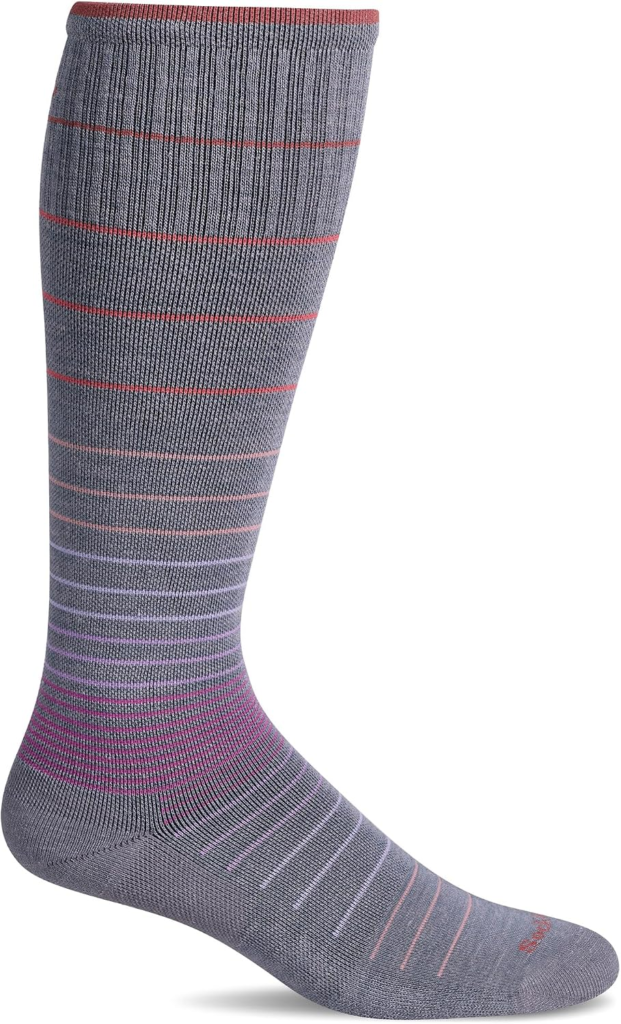
Some nurses use compression stockings during extended shifts because they spend much of their workday on their feet.
Compression stockings provide graduated pressure along the legs and are available in different compression levels. They may be used for certain types of leg swelling or discomfort.
However, compression stockings aren’t appropriate for everyone. If you have circulation concerns, persistent swelling, or unexplained leg symptoms, consult a healthcare professional before choosing or using them.
Make Hydration Part of Your Routine
It’s easy to go several hours without drinking when patient care becomes busy.
When permitted by your workplace, keep water accessible and use your appropriate breaks to drink.
Don’t wait until you feel unwell before thinking about hydration. If you have a medical condition requiring specific fluid restrictions or recommendations, follow your healthcare professional’s advice.
Take Advantage of Appropriate Breaks
Breaks provide an opportunity to recover physically and mentally.
If you’ve been standing for hours, sit down. If you haven’t eaten, have your meal. Drink water and give yourself a few minutes without focusing on your workload.
You may not always get as much downtime as you’d like, but using available breaks effectively can still make a difference.
Change Positions Regularly
Long shifts often involve repetitive movements.
Whenever your duties allow, change positions. If you’ve been standing for a long time, sit when appropriate. If you’ve been sitting, move around when possible.
Gentle ankle circles, calf movements, shoulder rolls, and other simple mobility exercises can help you avoid staying in one position for too long.
Manage Physical Energy
Pacing yourself can be useful during a long shift.
Work efficiently, follow established procedures, and prioritize important responsibilities. Avoid unnecessary physical effort when there is a safer and more efficient alternative.
Saving some energy for the final hours can be particularly helpful during a 12-hour shift.
Protect Your Mental Energy
Nursing requires constant attention, and mental fatigue can develop gradually.
Keep your tasks organized and communicate clearly with your colleagues. During appropriate breaks, give yourself a few minutes to mentally step away from work.
Even simple activities such as sitting quietly or taking a few slow breaths can provide a brief reset.
Be Mindful of Caffeine
Caffeine may help with alertness, but it shouldn’t replace sleep.
If you drink coffee or other caffeinated beverages, consider how much you consume and when you consume it. Drinking caffeine too close to your intended sleep period may make recovery more difficult.
This is particularly important for nurses working overnight.
Pay Attention to Your Feet
Feet often take a significant amount of stress during a long nursing shift.
In addition to supportive footwear, give your feet time to recover after work. Comfortable footwear at home, gentle movement, and adequate rest may help you transition out of work mode.
Persistent or severe foot pain should be discussed with an appropriate healthcare professional.
Look After Tired Legs
The legs can also feel heavy or tired after hours of standing.
Appropriate movement, comfortable footwear, and compression support when medically suitable may help some people manage general discomfort.
However, significant or persistent swelling, pain, numbness, weakness, or other unusual symptoms should not simply be dismissed as part of working long hours.
Create a Post-Shift Recovery Plan
Recovery begins after you finish work.
Try to give yourself enough time to eat, hydrate, relax, and sleep. If you have another long shift scheduled soon, protect your recovery time as much as possible.
Preparing meals ahead of time can also make it easier to focus on rest between shifts.
Prepare for Consecutive Long Shifts
Several long shifts in a row can be particularly demanding.
Organize your meals, clothing, footwear, and other essentials before the first shift. Protect your sleep between workdays and avoid unnecessary activities that leave you more exhausted.
Think of each day between shifts as an opportunity to recharge rather than simply another day to stay busy.
Recognize When Fatigue Is Too Much
Normal tiredness is expected after an extended shift, but excessive fatigue can affect concentration and safety.
If you feel that exhaustion is interfering with your ability to perform your duties safely, follow your workplace procedures and communicate with the appropriate supervisor.
Dizziness, unusual weakness, confusion, or other concerning symptoms should also receive appropriate attention.
Build Habits You Can Maintain
The best advice in a guide for nurses on long shifts is advice that fits real nursing schedules.
You don’t need to adopt ten new habits at once. Start with simple improvements such as preparing food the night before, replacing uncomfortable shoes, carrying water, or protecting your sleep.
Once these habits become routine, you can gradually add other strategies.
A Simple Long-Shift Routine
A practical approach can look like this:
Before the shift:
Sleep well, prepare food, drink appropriately, and wear comfortable footwear.
During the shift:
Stay hydrated, eat during scheduled breaks, change positions, move when possible, and manage your energy.
After the shift:
Allow yourself to relax, hydrate, eat, and prioritize sleep.
Between consecutive shifts:
Focus on recovery and prepare essentials in advance.
Final Thoughts
A guide for nurses on long shifts should be realistic because nurses don’t always control how busy their workday becomes. Emergencies happen, schedules change, and patient needs come first.
However, nurses can still take practical steps to support their own comfort and energy. Adequate sleep, supportive footwear, hydration, nutritious meals, appropriate compression support, movement, meaningful breaks, and sufficient recovery can all contribute to a more sustainable approach to long shifts.
Taking care of yourself isn’t separate from being a good nurse. Looking after your physical and mental well-being can help you stay focused, comfortable, and prepared throughout the entire workday.