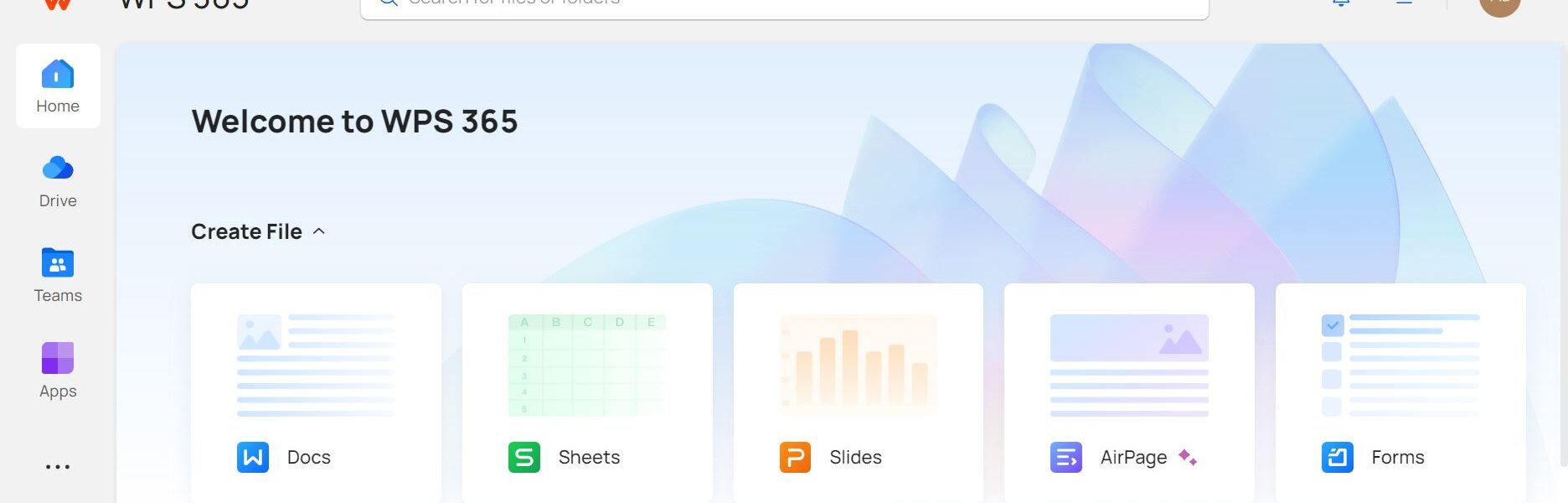

Document automation has become a vital tool for professionals who want to save time, reduce errors, and increase productivity. Among the available solutions, WPS stands out as a versatile and user-friendly platform that helps individuals and businesses streamline their document workflows. Mastering WPS document automation allows users to perform repetitive tasks efficiently, maintain consistency across documents, and improve overall productivity. This article will explore practical strategies, tips, and techniques to help you become proficient in automating documents with WPS.
Understanding the Basics of WPS Document Automation
Before diving into advanced automation techniques, it is crucial to understand the basics of WPS and its capabilities. WPS offers a suite of tools including Writer, Spreadsheet, and Presentation, each of which supports automation features such as templates, macros, and batch processing. Document automation in WPS involves using these features to reduce manual intervention while generating consistent, accurate documents.
For beginners, the first step is familiarizing yourself with WPS Writer, which is designed to handle text documents similar to other word processors. By exploring the menus, ribbon options, and available tools, users can identify automation-friendly features. Key elements include styles, templates, tables, and fields, which form the foundation for automating repetitive tasks.
Leveraging Templates for Efficient Document Creation
Templates are one of the most powerful tools in WPS for document automation. A template is a pre-designed document that contains standard elements such as headers, footers, fonts, and placeholders. By using templates, you can ensure consistency across documents and drastically reduce the time required to create new files.
To create an effective template in WPS, start by designing a document layout that matches your regular document structure. Include placeholders for variable information such as names, dates, and project details. Once the template is ready, save it in the WPS template format to allow easy reuse. Templates can also include predefined styles for headings, paragraphs, and tables, ensuring that all automated documents maintain a professional and uniform appearance.
Automating with Macros
Macros are another essential feature for mastering WPS document automation. A macro is a set of instructions that automate repetitive tasks, such as formatting, data entry, or content insertion. With macros, you can record a series of actions in WPS and replay them whenever needed, eliminating manual repetition and minimizing errors.
To create a macro in WPS, navigate to the developer tools and select the macro recording option. Perform the sequence of actions you want to automate, such as applying styles, inserting tables, or formatting text. Once recorded, the macro can be executed with a single click, saving significant time and effort. Advanced users can even edit macros using WPS’s built-in scripting tools, allowing for more complex automation scenarios tailored to specific business needs.
Using Fields and Data Integration
Fields in WPS are dynamic placeholders that automatically update content based on predefined data. Common examples include dates, page numbers, and document properties. When combined with external data sources, fields can transform WPS documents into dynamic reports, invoices, or forms.
Integrating WPS with data from spreadsheets, databases, or other sources allows users to generate multiple documents automatically without manually entering information. For instance, you can link a WPS Writer document to a WPS Spreadsheet file containing client information. By inserting fields connected to the spreadsheet, each generated document will automatically display personalized data for every client. This approach saves time, reduces errors, and ensures accuracy across large-scale document production.
Batch Processing for Large-Scale Automation
Batch processing is ideal for users who need to automate the generation or modification of multiple documents simultaneously. WPS supports batch processing for tasks such as converting file formats, applying templates, or inserting predefined content. By using batch processing, professionals can efficiently manage large volumes of documents without manually editing each file.
To implement batch processing, start by organizing all relevant documents in a single folder. Next, apply batch commands available in WPS, such as “Replace Text,” “Apply Template,” or “Convert Format.” This ensures that all documents are updated consistently and saves hours of repetitive work. Batch processing can also be combined with macros and templates for a fully automated workflow, allowing you to handle hundreds of documents efficiently.
Streamlining Workflow with Automation Tools
WPS offers several additional tools that enhance document automation. Features such as auto-correct, auto-text, and style galleries allow users to standardize content and reduce manual input. Auto-correct automatically fixes common spelling or formatting errors, while auto-text stores frequently used phrases or sections that can be inserted with a single click. Style galleries enable the consistent application of formatting across all documents, maintaining professional quality.
Additionally, WPS supports integration with cloud services, allowing documents to be stored, accessed, and updated from any device. Cloud-based automation ensures that templates, macros, and data sources are consistently available to all team members, fostering collaboration and streamlining workflow across departments.
Best Practices for WPS Document Automation
To fully master WPS document automation, it is essential to follow best practices that enhance efficiency and minimize errors. First, plan your automation workflow by identifying repetitive tasks and selecting the right combination of templates, macros, and fields. Second, maintain organized and standardized templates to ensure consistency. Third, regularly update macros and templates to reflect changes in business requirements or document standards. Finally, test your automation processes before full implementation to catch any errors or inconsistencies.
Training and continuous learning are also crucial. WPS frequently updates its features, and staying informed about new tools or enhancements can help users improve automation efficiency. Participating in forums, tutorials, and webinars can provide practical insights and advanced techniques for mastering document automation.
Benefits of Mastering WPS Document Automation
Mastering WPS document automation offers multiple benefits for professionals and organizations. The most immediate advantage is time savings, as repetitive tasks can be handled automatically. Automation also enhances accuracy by reducing human errors in data entry or formatting. Consistency is another key benefit, ensuring that all documents adhere to organizational standards.
Moreover, document automation with WPS improves productivity, allowing employees to focus on higher-value tasks such as analysis, decision-making, and creative work. For businesses, automation contributes to operational efficiency, improved client satisfaction, and cost reduction. Ultimately, mastering WPS document automation provides a competitive edge by optimizing workflow and maximizing resource utilization.
Conclusion
WPS document automation is a powerful tool for anyone looking to streamline document creation, reduce errors, and boost productivity. By leveraging templates, macros, fields, batch processing, and additional automation tools, users can transform repetitive and time-consuming tasks into efficient, error-free processes. Understanding the basics, following best practices, and continuously exploring advanced features are essential steps toward mastering WPS document automation. With these strategies, professionals can achieve consistent, high-quality documents while saving time and effort, making WPS an indispensable solution for modern document management.
