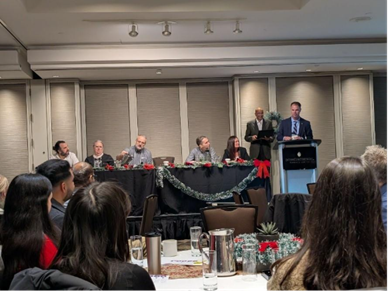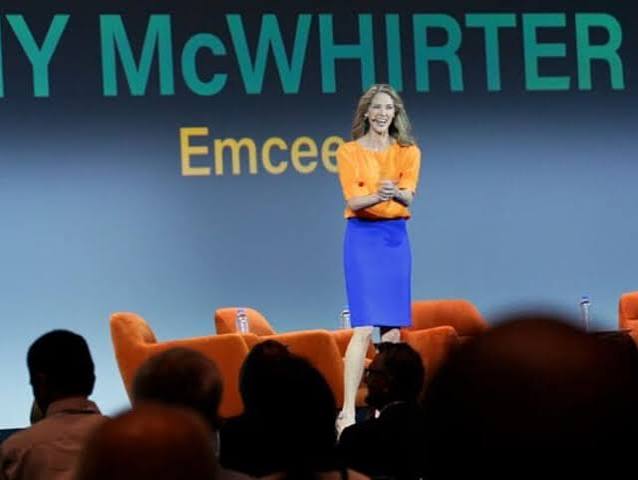

A successful conference is more than a collection of presentations, panel discussions, workshops, and networking sessions. It is an experience that requires smooth coordination, clear communication, and consistent audience engagement. One of the most important people responsible for creating that experience is a conference emcee. Also known as a master of ceremonies, a conference emcee guides attendees through the event, introduces speakers, manages transitions, and helps maintain an energetic and professional atmosphere.
Whether the event is a corporate conference, industry summit, educational gathering, technology event, or professional convention, the right emcee can make a significant difference. A skilled host keeps the program organized while ensuring that attendees remain interested and connected throughout the day.
What Is a Conference Emcee?
A conference emcee is the person who serves as the host and central communication point during a conference. Their primary responsibility is to guide the audience from one segment of the event to the next. This can include welcoming attendees, introducing speakers, announcing sessions, facilitating discussions, and providing important event information.
Unlike simply reading announcements from a schedule, a professional emcee understands how to communicate naturally with an audience. They can adapt their tone, timing, and presentation style depending on the type of conference and the people attending.
The emcee often works closely with event organizers, speakers, technical teams, and production staff to ensure that everything runs smoothly.
Why Is a Conference Emcee Important?
A conference can involve multiple speakers, presentations, breaks, panel sessions, networking opportunities, and technical elements. Without someone coordinating these parts, the event can feel disconnected or confusing.
A professional conference emcee provides continuity. They help attendees understand what is happening, what comes next, and why each session matters.
An experienced emcee can also respond effectively when unexpected situations occur. A speaker may be delayed, a presentation may take longer than planned, or technical equipment may require attention. Instead of allowing these issues to disrupt the audience experience, an experienced host can keep attendees informed and engaged.
Creating a Strong First Impression
The beginning of a conference establishes the tone for the entire event. A confident and welcoming emcee can immediately create a positive atmosphere.
The opening may include a welcome message, an introduction to the event, an overview of the schedule, and important information for attendees. The emcee’s communication style should match the conference brand and audience.
For a formal corporate conference, the tone may be polished and professional. For a creative industry event, a more conversational and energetic approach may be appropriate. The ability to adapt is one of the most valuable qualities of a conference emcee.
Introducing Speakers Professionally
Speaker introductions are another important responsibility. A good introduction should provide useful context without becoming unnecessarily long.
The emcee may briefly explain the speaker’s professional background, area of expertise, or connection to the conference topic. The goal is to create interest and give the audience a reason to pay attention.
A professional emcee also takes care to pronounce names and titles correctly and follows any introduction guidelines provided by event organizers.
Keeping the Audience Engaged
Long conferences can challenge audience attention. Even excellent speakers may struggle to maintain energy throughout an entire day. A conference emcee helps create variety and keeps the atmosphere active between sessions.
This can involve asking appropriate questions, encouraging audience participation, acknowledging key moments, or using short transitions to connect different parts of the program.
Audience engagement does not always require games or humor. Sometimes a clear explanation of what comes next or an interesting observation about the previous session is enough to maintain attention.
Managing Transitions Between Sessions
Smooth transitions are essential for maintaining the pace of a conference. When one presentation ends, attendees need to know what happens next.
The emcee can thank the previous speaker, summarize a key point, introduce the next session, and provide any necessary instructions. These transitions may only take a few minutes, but they can greatly improve the overall flow of the event.
A strong emcee avoids unnecessary delays and communicates clearly with both the audience and event team.
Supporting Panel Discussions
Many conferences include panel discussions featuring several experts. A skilled emcee may serve as the panel moderator or introduce the moderator and panelists.
When acting as a moderator, the emcee needs to understand the discussion topic and prepare thoughtful questions. They should ensure that panelists have opportunities to contribute while keeping the conversation focused.
The moderator must also pay attention to timing. If one topic takes too long, the discussion may need to move forward so that the event stays on schedule.
Handling Unexpected Situations
Live events rarely go exactly according to plan. A presentation might fail to load, a speaker could arrive late, or the schedule might change.
This is where an experienced conference emcee becomes especially valuable. Instead of showing stress or confusion, the emcee can calmly communicate with attendees while the event team resolves the issue.
Professionalism, quick thinking, and adaptability are essential skills for handling unexpected situations.
Qualities of a Great Conference Emcee
Not everyone is naturally suited to hosting a large professional event. A successful conference emcee typically combines several important qualities.
Strong communication skills are essential. The host must speak clearly and confidently while maintaining an appropriate pace.
Confidence helps the emcee command attention without dominating the event.
Preparation is equally important. The emcee should understand the agenda, speakers, session topics, venue procedures, and event objectives.
Adaptability allows the host to respond when circumstances change.
Time management helps keep the conference on schedule.
Audience awareness enables the emcee to recognize when attendees need more energy, clarification, or a change of pace.
Finally, professionalism ensures that the host represents the event and organization appropriately.
How to Choose the Right Conference Emcee
Event organizers should consider several factors when selecting an emcee. First, look for someone with strong public speaking and presentation abilities. Experience with similar events can also be valuable.
The emcee’s personality should match the event. A highly formal conference may require a different hosting style than a creative or entertainment-focused gathering.
Organizers should also discuss expectations before the event. This includes the schedule, speaker introductions, preferred tone, audience demographics, key announcements, and emergency procedures.
A short rehearsal can help the emcee become familiar with the venue, stage setup, microphones, presentation equipment, and event timeline.
Preparing for a Conference
Preparation begins well before the event day. The emcee should review the complete agenda and learn the correct pronunciation of speaker names, company names, and specialized terms.
It is also helpful to prepare transition statements, questions for panel discussions, and backup material that can be used if a session is delayed.
The emcee should communicate with the event organizer and production team before the conference begins. Understanding who is responsible for presentations, microphones, lighting, timing, and other technical elements can prevent confusion during the event.
The Value of a Professional Conference Emcee
A conference emcee contributes much more than announcements. They help create structure, maintain momentum, connect speakers with attendees, and represent the personality of the event.
When an audience feels informed, comfortable, and engaged, they are more likely to enjoy the conference and remember it positively. The emcee plays an important role in creating that experience.
From the opening welcome to the final closing remarks, every transition contributes to the overall impression of the conference.
Conclusion
A conference emcee is an essential part of many successful professional events. By guiding the audience, introducing speakers, managing transitions, supporting discussions, and responding calmly to unexpected situations, a skilled emcee helps transform a busy schedule into a cohesive experience.
Choosing the right host requires careful consideration of communication skills, confidence, preparation, professionalism, and audience engagement abilities. With the right emcee leading the program, organizers can create a conference that feels organized, energetic, informative, and memorable for everyone involved.