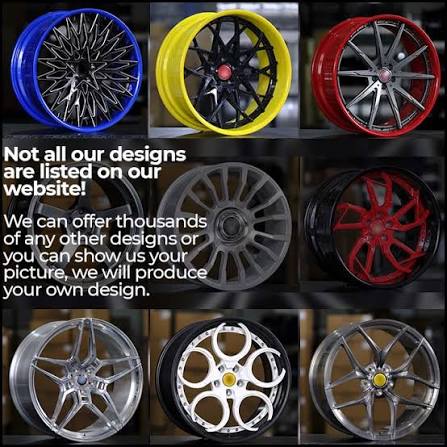

When it comes to improving a vehicle’s driving performance, wheels are one of the most important upgrades to consider. While many drivers focus on engines, suspension custom forged wheels systems, and tires, the right wheels can also make a noticeable difference in handling, responsiveness, and overall driving feel. Among the available options, custom forged wheels are highly valued because they combine lightweight construction, strength, precise engineering, and personalized fitment.
Whether you drive a sports car, luxury vehicle, performance sedan, or modified daily driver, upgrading to high-quality forged wheels can help create a more responsive and controlled driving experience. Understanding how these wheels affect handling can help you decide whether they are the right upgrade for your vehicle.
What Are Custom Forged Wheels?
Custom forged wheels are wheels manufactured from a solid piece of high-strength aluminum alloy. Instead of pouring molten metal into a mold, the manufacturing process uses significant pressure to shape the metal into the desired wheel design. This process creates a dense and strong material structure that allows manufacturers to produce lightweight wheels without sacrificing durability.
The word “custom” refers to the ability to select different specifications according to a vehicle and personal preferences. Buyers can often choose wheel diameter, width, offset, bolt pattern, concavity, finish, and design. This allows the wheels to be precisely matched to the vehicle rather than relying only on standard factory specifications.
How Lightweight Wheels Improve Handling
One of the biggest advantages of custom forged wheels is their lightweight construction. Reducing wheel weight can have an important effect because wheels are part of a vehicle’s unsprung mass. Unsprung mass includes components that are not directly supported by the vehicle’s suspension, such as wheels, tires, and certain suspension components.
When unsprung weight is reduced, the suspension can respond more effectively to changes in the road surface. The wheels can move more easily over bumps and imperfections, helping the tires maintain better contact with the road.
This can contribute to improved cornering, steering response, and overall ride quality. Drivers may notice that the vehicle feels more agile, particularly when changing direction quickly or driving through winding roads.
Better Steering Response
Steering response is another area where forged wheels can make a difference. A lighter wheel assembly requires less effort to accelerate, decelerate, and change direction. This can make steering feel more immediate and responsive.
When combined with suitable performance tires and a properly adjusted suspension system, lightweight wheels can help create a sharper connection between the steering wheel and the road.
Custom fitment also plays an important role. Choosing the correct width and offset helps position the wheel properly within the wheel well. Proper fitment can support balanced handling while avoiding unwanted clearance problems with suspension components or bodywork.
Improved Cornering Performance
For drivers who enjoy spirited driving, cornering ability is an important part of vehicle performance. Strong and lightweight wheels can support the tires during hard cornering while reducing unnecessary weight.
The strength of forged construction allows manufacturers to create wheels capable of handling demanding driving conditions. A properly selected wheel also works together with the tire to maintain stability during acceleration, braking, and cornering.
However, wheels are only one part of the handling system. Tire quality, tire pressure, suspension geometry, alignment, and driving conditions all influence cornering performance. Choosing the right combination of components is essential for achieving the best results.
Strength Without Excessive Weight
Performance wheels need to balance two important characteristics: strength and weight. A wheel that is extremely lightweight but not sufficiently strong may not be appropriate for demanding road conditions. On the other hand, a very heavy wheel can negatively affect vehicle responsiveness.
Forged construction provides an effective balance between these characteristics. The manufacturing process creates a strong wheel structure that can withstand the forces generated during normal and performance-oriented driving.
This strength is especially valuable for vehicles that produce significant power or are frequently driven on challenging roads. High-quality forged wheels are engineered to meet specific performance requirements while maintaining a sophisticated appearance.
Custom Fitment for Your Vehicle
One of the main benefits of custom forged wheels is the ability to select specifications that suit a particular vehicle. Wheel fitment involves several measurements, including diameter, width, offset, bolt pattern, and center bore.
Selecting the correct specifications is important for both performance and safety. A wheel that is too wide, has an unsuitable offset, or uses an incorrect bolt pattern may cause clearance or installation problems.
Custom wheel manufacturers can create different configurations to accommodate various vehicles. This makes it possible to achieve a desired appearance while maintaining appropriate clearance for brakes, suspension components, and bodywork.
The Relationship Between Wheels and Tires
Wheels and tires work as a complete system. Even the highest-quality forged wheels cannot deliver their full potential if they are paired with unsuitable tires.
A properly matched tire and wheel combination can help optimize steering response, grip, braking, and stability. Drivers interested in performance should consider tire compound, size, sidewall characteristics, and intended use when selecting wheels.
For example, a performance-oriented setup may use wider wheels and suitable high-performance tires to increase available grip. However, the exact setup should always match the vehicle, suspension configuration, and driving environment.
Reduced Rotational Mass
Another advantage of lightweight forged wheels is reduced rotational mass. Unlike static vehicle weight, rotational mass must be accelerated and slowed down whenever the vehicle accelerates or brakes.
Reducing unnecessary rotational weight can help the vehicle feel more responsive. Acceleration may feel more immediate, while braking and directional changes can also feel more controlled.
The difference can be particularly noticeable on performance-oriented vehicles where every reduction in unnecessary weight contributes to the overall driving experience.
Aesthetic Customization and Performance
Performance does not have to come at the expense of appearance. Custom forged wheels are available in a wide variety of designs, finishes, and sizes, allowing drivers to personalize their vehicles.
Popular options can include gloss, satin, metallic, brushed, and other specialized finishes. Wheel designs can also range from simple and understated styles to aggressive multi-spoke patterns.
Because forged wheels can be made to specific specifications, drivers can create a combination that complements the vehicle’s body design while supporting their performance goals.
Choosing the Right Custom Forged Wheels
When selecting forged wheels, it is important to look beyond appearance and price. Start by confirming your vehicle’s recommended wheel specifications. Consider the appropriate diameter, width, offset, bolt pattern, and brake clearance.
You should also consider how the vehicle is used. A daily driver may require different specifications from a track-focused performance car. Road conditions, tire selection, suspension modifications, and driving habits should all influence the final choice.
Quality is another important factor. Choose wheels manufactured by reputable specialists that use appropriate materials, engineering standards, and quality-control processes.
Conclusion
Upgrading to custom forged wheels can be an effective way to enhance both the appearance and driving characteristics of a vehicle. Their lightweight construction can reduce unsprung and rotational mass, while their strength provides durability for demanding driving conditions. When correctly fitted with suitable tires, forged wheels can contribute to sharper steering response, improved cornering, better suspension response, and a more engaging driving experience.
The key is selecting the right specifications for your particular vehicle and intended use. With proper fitment and professional installation, custom forged wheels can provide a strong combination of performance, personalization, and style for drivers looking to take their vehicle to the next level.
