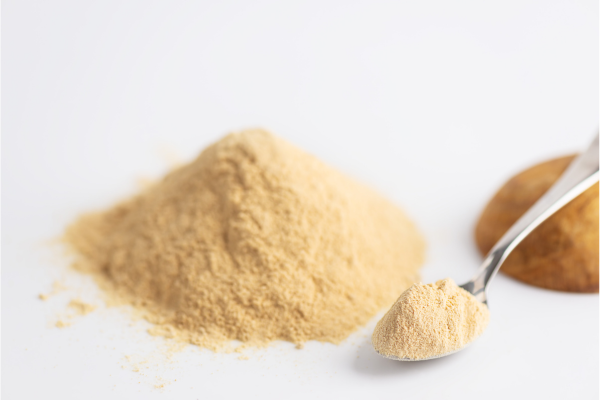

Lecithin is a naturally occurring mixture of phospholipids and other lipid-based compounds found in foods such as soybeans, sunflower seeds, eggs, and certain grains. Available in several forms, including granules, liquids, capsules, and powders, lecithin powder has become a popular ingredient in food manufacturing, nutritional products, baking, and everyday cooking. Its versatility comes from its ability to interact with both water and fat, making it useful as an emulsifier while also providing a source of important phospholipids.
Understanding what lecithin powder is, how it is produced, and why people use it can help consumers make informed choices. Although it is often promoted for a wide range of health benefits, its nutritional role should be considered realistically as part of a balanced diet.
What Is Lecithin Powder?
Lecithin powder is a powdered form of lecithin, a naturally occurring substance containing phospholipids such as phosphatidylcholine and phosphatidylethanolamine. Phospholipids are important components of cell membranes and play structural roles throughout the body.
Commercial lecithin may be extracted from different sources. Soy and sunflower lecithin are among the most common options, while egg-derived lecithin is another traditional source. After extraction and processing, lecithin can be converted into a convenient powder that is easy to measure, mix, store, and incorporate into different formulations.
The characteristics of the finished product can vary depending on its source and processing method. This means that consumers should check product labels for information about the source, ingredients, allergens, and processing practices.
Nutritional Properties of Lecithin
One of the most interesting features of lecithin powder is its phospholipid content. Phospholipids contribute to the structure of biological membranes and participate in numerous physiological processes.
Phosphatidylcholine is particularly notable because it contains choline. Choline is an essential nutrient involved in several functions, including normal cell structure, lipid transport, and neurotransmitter production. However, the exact amount of choline provided by a lecithin product depends on its composition and serving size.
Lecithin also contains fats and can contribute calories when consumed in meaningful quantities. It should therefore be viewed as a functional food ingredient rather than a calorie-free supplement. Nutritional values can differ considerably between products, so reading the nutrition facts panel is important.
How Lecithin Powder Works as an Emulsifier
One of the primary reasons lecithin is widely used is its natural emulsifying ability. An emulsifier helps substances that normally separate, such as water and oil, remain more evenly distributed.
The structure of phospholipids allows them to interact with both water-loving and fat-loving substances. This property makes lecithin useful in recipes and commercial foods where consistent texture and stability are important.
In baking, lecithin powder can help ingredients combine more effectively and may contribute to a smoother dough or batter. It can also be used in chocolate, sauces, spreads, dressings, nutritional beverages, and other food formulations.
Common Uses of Lecithin Powder
Lecithin powder has applications that extend well beyond nutritional products. In home kitchens, it can be added to baked goods, smoothies, sauces, and other recipes. Its neutral or mild flavor in many formulations makes it relatively easy to incorporate.
Food manufacturers use lecithin as an emulsifier and processing aid. It can help improve consistency, reduce separation, and influence the texture of finished products. It is commonly associated with chocolate and confectionery products because emulsification can help create a desirable mouthfeel and improve processing characteristics.
In baking, lecithin may also be used to support dough handling and ingredient distribution. Because it can help fats and water interact more effectively, it can contribute to a more uniform finished product.
Potential Benefits of Lecithin
Lecithin is often discussed in relation to several potential health benefits. Its phospholipids have important biological functions, and choline contributes to normal cellular and neurological processes.
Because phospholipids are components of cell membranes, lecithin provides compounds that are biologically relevant to the body. Choline, which may be supplied through phosphatidylcholine, is also needed for normal metabolism and the production of acetylcholine, a neurotransmitter involved in memory, muscle control, and other nervous-system functions.
Lecithin has also been studied for its possible relationship with cholesterol and lipid metabolism. Some research has explored whether lecithin supplementation can influence blood lipid levels, but results vary and it should not be considered a replacement for medically recommended cholesterol management.
It is also important to distinguish between a nutrient’s biological role and claims about a supplement’s ability to treat or prevent disease. More research may be needed to establish the effectiveness of specific lecithin products for particular health outcomes.
Lecithin Powder in Everyday Nutrition
For most people, nutrition is best approached through a varied diet containing vegetables, fruits, whole grains, legumes, nuts, seeds, protein-rich foods, and healthy sources of dietary fat. Lecithin can be part of this dietary pattern, but it does not replace the broader range of nutrients supplied by whole foods.
People may choose lecithin powder because it is convenient and versatile. It can be blended into smoothies, mixed into oatmeal, incorporated into baked recipes, or used in homemade food formulations. Following the manufacturer’s recommended serving size is important because different products have different concentrations and compositions.
Those using lecithin specifically to increase choline intake should consider their total dietary intake rather than relying on one ingredient alone. Eggs, meat, fish, dairy products, soy foods, and some vegetables can also contribute choline.
Soy Lecithin Versus Sunflower Lecithin
The source of lecithin can matter to consumers. Soy lecithin is widely available and has a long history of use in food production. However, people with soy allergies or those intentionally avoiding soy may prefer sunflower-derived products.
Sunflower lecithin has gained popularity because it provides a non-soy alternative. It is often marketed as a minimally processed option, although processing methods differ among manufacturers.
Neither source should automatically be considered superior for every person. The best choice depends on dietary preferences, allergies, ingredient requirements, and the intended application.
What to Consider When Choosing a Product
When purchasing lecithin powder, consumers should look beyond the product name. Checking the source, ingredient list, nutrition information, allergen statements, and manufacturing details can help identify a product that matches individual needs.
Powdered lecithin should also be stored according to the manufacturer’s instructions. Exposure to heat, moisture, oxygen, or direct sunlight may affect product quality over time.
For people with allergies, dietary restrictions, or specific nutritional goals, the source and additional ingredients are particularly important. Some products may contain flavorings, carriers, or other ingredients that are not present in a pure lecithin formulation.
Safety and Responsible Use
Lecithin is commonly used as a food ingredient, but consuming larger amounts can cause digestive discomfort in some individuals. Possible effects may include bloating, loose stools, or stomach upset, particularly when someone suddenly introduces a concentrated product into their diet.
Anyone taking medications, managing a health condition, pregnant or breastfeeding, or considering high-dose supplementation should discuss the choice with a qualified healthcare professional. Supplements can vary in purity, concentration, and formulation, so professional guidance can be especially useful when lecithin is being used for a specific health purpose.
The Bottom Line
Lecithin powder is a versatile source of phospholipids with important applications in nutrition and food preparation. Its ability to combine water and fat makes it especially valuable as an emulsifier, while compounds such as phosphatidylcholine provide nutritionally relevant components.
From baking and chocolate production to smoothies and nutritional formulations, lecithin powder can be used in many practical ways. Its potential nutritional benefits are connected primarily to the biological roles of phospholipids and nutrients such as choline, although individual products differ in composition.
Ultimately, lecithin is best viewed as one useful ingredient within a balanced dietary pattern. Understanding its source, nutritional profile, intended use, and appropriate serving size allows consumers to use it more effectively while keeping expectations about its health benefits realistic.
