
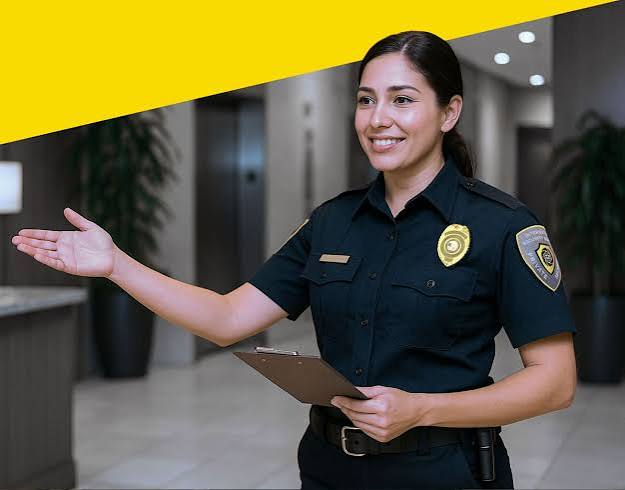
Safety and security are important concerns for businesses, residential communities, commercial properties, events, and public facilities. While advanced technology such as cameras, alarms, and access-control systems can help monitor a property, trained security professionals provide an important human presence. unarmed security guard services offer a practical way to improve safety, monitor activity, assist visitors, and respond appropriately to security concerns without relying on firearms.
Unarmed security guards can work in many different environments. Their responsibilities may include monitoring entrances, conducting patrols, observing surveillance systems, controlling access, documenting incidents, and helping maintain a safe and orderly environment. Their visible presence can also discourage unauthorized activity and provide reassurance to employees, residents, customers, and visitors.
What Are Unarmed Security Guard Services?
Unarmed security guard services involve trained security personnel who protect people and property without carrying firearms. Depending on the assignment and local regulations, guards may use communication equipment, identification systems, patrol procedures, and other approved security tools while performing their duties.
The primary purpose of an unarmed security guard is prevention, observation, assistance, and reporting. Guards are generally trained to identify potential security concerns, follow established procedures, communicate with supervisors or emergency services when necessary, and document incidents accurately.
Because they do not rely on firearms, unarmed guards are often suitable for locations where a professional security presence is needed without introducing an armed-security environment.
Key Responsibilities of Unarmed Security Guards
The duties of an unarmed security guard can vary depending on the property and client’s requirements. Common responsibilities include monitoring entrances and exits, checking identification, observing visitor activity, and maintaining security logs.
Access Control
Access control is one of the most common responsibilities. Guards can monitor who enters and leaves a property and ensure that visitors follow established procedures. At offices, for example, a guard may verify visitor information before allowing access to restricted areas.
At residential properties, guards may monitor entrances, assist residents and guests, and report unusual activity. Effective access control helps organizations maintain better awareness of who is present on their premises.
Property Patrols
Regular patrols allow guards to inspect designated areas and identify potential concerns. Patrols can be conducted inside buildings, around parking areas, or across larger outdoor properties.
During patrols, guards may look for unauthorized access, damaged doors, safety hazards, suspicious activity, or other conditions that should be reported to management.
Security Monitoring
Unarmed guards may also monitor security cameras, alarms, communication systems, and other security equipment. Technology can provide valuable information, while a trained professional can observe activity and follow established procedures when something unusual occurs.
Combining human observation with security technology can create a more organized approach to property monitoring.
Benefits of Hiring Unarmed Security Guards
Businesses and property owners choose unarmed security guard services for several reasons. One major advantage is the visible security presence they provide.
Deterring Unauthorized Activity
A uniformed guard can make a property appear actively monitored. This visible presence may discourage trespassing, vandalism, theft, and other unauthorized activities.
Although no security service can guarantee that incidents will never occur, proactive monitoring can help identify concerns earlier and support a structured response.
Improving Visitor Experience
Security personnel are not only responsible for observing potential threats. They can also provide directions, assist visitors, answer basic questions, and help people understand property procedures.
At hotels, offices, residential communities, and commercial facilities, a professional guard can contribute to an organized and welcoming environment.
Supporting Employees and Residents
Employees and residents may feel more comfortable when they know that trained personnel are monitoring the property. Guards can provide assistance during unusual situations and help direct people toward appropriate resources when an incident occurs.
Their presence can be especially valuable at locations with frequent visitors, large parking areas, multiple entrances, or extended operating hours.
Where Unarmed Security Guard Services Are Used
Unarmed security guards can serve many types of properties and organizations.
Commercial Buildings
Office buildings often use guards to manage entrances, monitor visitors, patrol common areas, and maintain security records. This can be particularly useful in buildings with multiple tenants or restricted areas.
Residential Communities
Apartments, condominiums, gated communities, and residential developments may use security personnel to monitor entrances, patrol common areas, and report suspicious activity.
Retail Locations
Retail stores and shopping centers may employ guards to monitor customer areas, protect property, assist with crowd management, and report potential incidents.
Construction Sites
Construction sites can contain valuable equipment, materials, and machinery. Security guards may conduct scheduled patrols, monitor access points, and document activity outside regular working hours.
Events and Venues
Concerts, conferences, private gatherings, sporting events, and other venues may require security personnel to monitor entrances, help manage crowds, provide directions, and support event safety procedures.
Professionalism and Training Matter
The quality of an unarmed security service depends heavily on the professionalism and preparation of its personnel. Guards should understand their responsibilities, follow applicable laws and regulations, and know the procedures established for the property they protect.
Training may cover areas such as observation, communication, emergency procedures, report writing, customer service, access control, conflict de-escalation, and incident documentation.
Professional communication is particularly important. Guards often interact with employees, customers, residents, contractors, and visitors. Remaining calm, respectful, and observant can help prevent unnecessary conflict and support a safer environment.
Security Reports and Documentation
Accurate documentation is another important part of security work. Guards may record patrol activities, visitor information, unusual observations, maintenance concerns, and incidents.
Detailed reports can help property managers understand what happened and when it happened. They may also help identify recurring problems that require additional security measures.
Good documentation should be factual and clear. Instead of making assumptions, security personnel should record observable information and follow established reporting procedures.
Choosing the Right Security Service
When selecting unarmed security guard services, property owners and managers should consider the specific needs of their location. Important factors can include guard training, communication procedures, availability, supervision, experience with similar properties, and the company’s approach to incident reporting.
It is also useful to define responsibilities before the service begins. Clear instructions can help security personnel understand access-control requirements, patrol areas, emergency contacts, visitor procedures, and reporting expectations.
A customized security plan can make the service more effective because different environments have different security requirements.
The Role of Security Technology
Modern security services can benefit from technology. Surveillance cameras, access-control systems, alarms, visitor-management software, and communication devices can help guards monitor properties more efficiently.
However, technology does not completely replace human judgment. A security guard can observe a situation, communicate with people, provide assistance, and follow procedures based on circumstances. Combining trained personnel with appropriate technology can create a more comprehensive security strategy.
Conclusion
Unarmed security guard services provide businesses, communities, construction sites, events, and other properties with a professional security presence focused on prevention, monitoring, assistance, and reporting. From controlling access and conducting patrols to monitoring activity and documenting incidents, trained guards can support everyday safety and help organizations respond to security concerns in an organized manner.
The right service depends on the property’s size, operating hours, visitor traffic, risks, and specific security objectives. By selecting qualified personnel, establishing clear procedures, and using technology where appropriate, organizations can create a structured security environment that protects people and property while maintaining a professional atmosphere.
