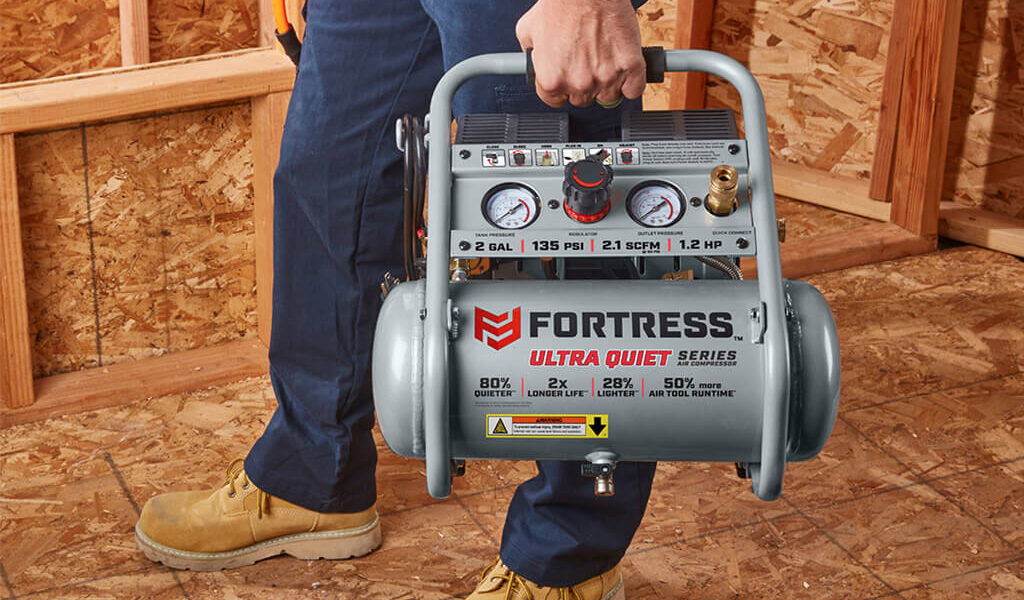

When it comes to operating pneumatic tools efficiently, having the right air compressor is essential. A heavy duty air compressor for pneumatic tools not only ensures smooth operation but also extends the lifespan of your tools, improves productivity, and reduces downtime. With the variety of air compressors available in the market, choosing the right one can feel overwhelming. This guide will help you make an informed decision.
Understanding Pneumatic Tools and Their Air Requirements
Pneumatic tools, such as impact wrenches, nail guns, spray guns, and grinders, rely on compressed air to function. Each tool has a specific air requirement measured in cubic feet per minute (CFM) at a certain pressure in pounds per square inch (PSI). Using a compressor that cannot meet these requirements can lead to poor performance, frequent tool stoppages, and even damage to the equipment.
A heavy duty air compressor for pneumatic tools must be able to deliver consistent airflow at the required PSI. Tools that demand high air consumption, like industrial nail guns or large impact wrenches, will need compressors with higher CFM ratings. Evaluating the air requirements of your tools is the first step in selecting the right compressor.
Types of Heavy Duty Air Compressors
Air compressors are categorized based on their mechanism and purpose. For pneumatic tools, the most common types are:
Reciprocating (Piston) Compressors
These compressors use a piston-driven mechanism to compress air. They are suitable for intermittent use and smaller workshops. A heavy duty air compressor for pneumatic tools that uses a piston system is ideal for high-pressure applications but may have limitations in continuous airflow.
Rotary Screw Compressors
Rotary screw compressors use two interlocking screws to compress air. These compressors are excellent for continuous operation and are commonly used in industrial settings. If you need a heavy duty air compressor for pneumatic tools for constant use, a rotary screw model is often the most reliable option.
Oil-Lubricated vs. Oil-Free Compressors
Oil-lubricated compressors offer durability and quieter operation but require regular maintenance. Oil-free compressors are maintenance-free and cleaner, making them suitable for environments where contamination is a concern. Depending on the tools and workplace conditions, you may choose an oil-lubricated or oil-free heavy duty air compressor for pneumatic tools.
Key Factors to Consider
Choosing the right compressor requires careful consideration of several key factors:
Airflow Capacity
Airflow capacity, measured in CFM, is critical. Always choose a compressor that provides more CFM than the combined requirement of all your pneumatic tools. For example, if your tools require 10 CFM at 90 PSI, a compressor rated at 12-15 CFM is recommended. This ensures smooth operation even when multiple tools are used simultaneously.
Tank Size
Tank size determines how long you can run your tools without the compressor motor constantly running. Larger tanks store more air, which is helpful for tools that consume high volumes intermittently. A heavy duty air compressor for pneumatic tools with a large tank is ideal for workshops with multiple users or continuous production tasks.
Pressure Rating
Pneumatic tools operate best within a specific pressure range. Ensure the compressor can maintain the required PSI for your tools. Many heavy-duty compressors can operate at pressures up to 150 PSI or more, which is sufficient for most industrial applications.
Duty Cycle
The duty cycle indicates how long a compressor can run before needing to rest. For heavy-use scenarios, select a compressor with a high duty cycle. A heavy duty air compressor for pneumatic tools with a 100% duty cycle is perfect for continuous operation in professional workshops.
Portability and Space
Consider whether you need a portable or stationary compressor. Portable models are useful for job sites, while stationary models are more suitable for fixed workshops. Even a heavy duty air compressor for pneumatic tools can come in portable versions, so consider your workspace and mobility needs.
Noise Level
Air compressors can be noisy, which may affect your working environment. Rotary screw compressors are generally quieter than piston-driven models. If noise is a concern, look for a heavy duty air compressor for pneumatic tools with noise-reducing features.
Maintenance and Longevity
A well-maintained compressor lasts longer and performs more efficiently. Regular maintenance tasks include checking oil levels, draining the tank to prevent rust, inspecting belts, and cleaning filters. Investing in a heavy duty air compressor for pneumatic tools from a reputable brand can also ensure access to replacement parts and technical support.
Brand Reputation and Warranty
When choosing a heavy duty air compressor for pneumatic tools, consider brands known for durability and reliability. A good warranty period offers peace of mind, covering defects and ensuring you receive proper support if issues arise. Brands with a strong reputation often provide better customer service and spare parts availability.
Cost Considerations
While price is a factor, it should not be the sole deciding factor. A higher initial investment in a heavy duty air compressor for pneumatic tools can save money in the long term through reduced maintenance, fewer tool breakdowns, and improved productivity. Balance your budget with the features and reliability required for your tools.
Applications and Industry Use
Heavy duty air compressors are used across various industries, including automotive workshops, manufacturing plants, construction sites, and home garages. Understanding your specific applications can help narrow down the ideal compressor type and features. For example, automotive repair shops benefit from high CFM compressors for impact wrenches and spray painting, while construction sites prioritize portability and tank capacity.
Conclusion
Selecting the right heavy duty air compressor for pneumatic tools is a crucial investment for anyone using pneumatic equipment regularly. Consider your tools’ air requirements, the type of compressor, airflow capacity, tank size, duty cycle, and maintenance needs. Factor in brand reputation, warranty, and noise levels to make a well-rounded decision. By taking these considerations seriously, you ensure your pneumatic tools perform efficiently, reducing downtime and improving overall productivity. Investing in the right compressor is not just about power—it’s about reliability, durability, and long-term performance.
