
Understanding Noise-Cancelling Technology and Why It Matters
In today’s fast-paced world, audio clarity and personal space have become more important than ever. Whether you are commuting, working in a busy office, studying in a café, or simply trying to relax at home, unwanted background noise can easily interrupt your focus. This is where noise-cancelling technology comes in, especially in modern audio devices like headphones and noise-Cancelling Earbuds.
Noise cancellation works by reducing or eliminating ambient sounds using advanced microphones and sound wave processing. There are two main types: passive noise isolation, which physically blocks sound, and active noise cancellation (ANC), which uses technology to cancel out external noise. Both noise-cancelling earbuds and headphones use ANC, but they do so in different ways and with different results.
Understanding the strengths and limitations of each can help you make the right decision based on your lifestyle, comfort, and usage habits.
What Are Noise-Cancelling Headphones?
Noise-cancelling headphones are larger over-ear or on-ear devices designed to fully cover your ears. Because of their size, they typically house larger batteries, bigger drivers, and more advanced ANC systems.
One of the biggest advantages of headphones is their strong noise isolation. The ear cups create a physical seal around your ears, which already blocks a significant amount of sound even before ANC is activated. When combined with active noise cancellation, they become extremely effective at reducing low-frequency noises like airplane engines, traffic, or air conditioning hum.
They are often preferred by professionals, gamers, and frequent travelers who need long hours of uninterrupted listening. The larger design also allows for richer sound quality, especially in bass performance and overall audio depth.
However, headphones can feel bulky. Wearing them for long periods may cause heat buildup around the ears or slight discomfort, especially in warm climates or during physical movement.
What Are Noise-Cancelling Earbuds?
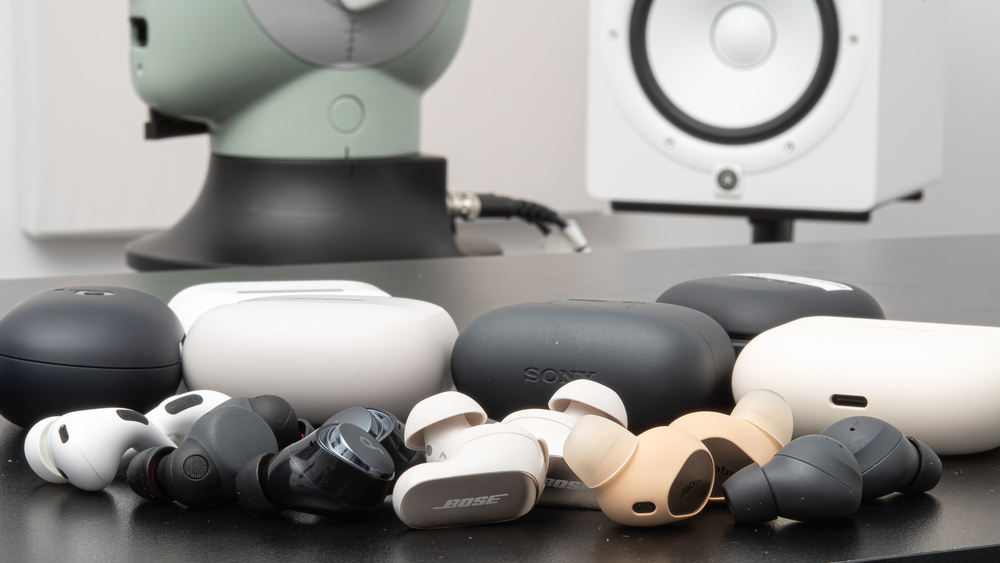
Noise-Cancelling Earbuds are compact, in-ear devices designed for portability and convenience. Despite their small size, modern versions come equipped with powerful ANC features that can significantly reduce surrounding noise.
These earbuds fit directly into the ear canal, which provides natural passive noise isolation. Combined with active noise cancellation, they offer a surprisingly immersive listening experience.
One of the biggest advantages of noise-Cancelling Earbuds is their portability. They are lightweight, easy to carry, and ideal for people who are constantly on the move. Whether you are jogging, commuting, or traveling light, earbuds offer unmatched convenience.
They are also less visually noticeable, making them a preferred choice for users who want a discreet audio solution.
However, because of their small size, they usually have smaller drivers and batteries. This can result in slightly shorter battery life and less powerful sound depth compared to headphones.
Sound Quality Comparison
When it comes to sound performance, both devices offer excellent audio quality, but there are noticeable differences.
Headphones generally provide a richer and fuller sound experience. Their larger drivers allow for deeper bass, wider soundstage, and more detailed audio separation. This makes them ideal for music lovers, audiophiles, and gamers who value immersive sound.
Noise-Cancelling Earbuds, on the other hand, have improved significantly in recent years. High-end models now deliver clear vocals, balanced bass, and impressive clarity. However, they may still lack the same depth and spaciousness found in headphones.
If sound quality is your top priority, headphones often have the advantage. But for everyday listening, earbuds perform more than adequately.
Comfort and Portability
Comfort plays a major role in choosing between these two devices.
Headphones are generally more comfortable for long listening sessions because they do not sit inside the ear canal. Instead, they rest around the ears, distributing pressure more evenly. However, they can become heavy or warm over time.
Noise-Cancelling Earbuds excel in portability. They are extremely lightweight and easy to carry in your pocket. This makes them ideal for travel, workouts, or daily commuting. However, some users may find in-ear fit uncomfortable after extended use, especially if the ear tips do not match properly.
If you prioritize portability and mobility, earbuds are the clear winner. If you prefer comfort during long sessions at a desk or home, headphones may suit you better.
Battery Life and Performance
Battery life is another important factor.
Headphones typically offer longer battery life due to their larger size. Many models can last 30 to 60 hours on a single charge, making them ideal for long trips or extended use without frequent charging.
Noise-Cancelling Earbuds usually offer between 5 to 10 hours per charge, with additional charging provided by the case. While this is sufficient for daily use, it may require more frequent charging compared to headphones.
However, earbuds often charge faster and offer quick-charge features that provide several hours of playback in just a few minutes.
Noise Cancellation Effectiveness
Both devices use active noise cancellation, but performance can vary.
Headphones generally provide stronger noise cancellation due to their physical ear coverage combined with advanced ANC systems. They are especially effective in blocking constant low-frequency sounds.
Noise-Cancelling Earbuds have improved greatly and are highly effective in most environments. They work well in offices, public transport, and casual outdoor settings. However, in extremely noisy environments, they may not match the power of high-end headphones.
Lifestyle and Usage Considerations
Choosing between headphones and earbuds often depends on your lifestyle.
If you travel frequently, commute daily, or exercise regularly, noise-Cancelling Earbuds are likely the better choice. Their compact size and portability make them easy to use in almost any situation.
If you work in a controlled environment, enjoy long listening sessions, or prioritize audio quality and immersion, headphones may be more suitable.
Many users actually prefer owning both, using earbuds for mobility and headphones for home or office use.
Final Verdict: Which Should You Choose?
There is no universal winner in the battle between noise-cancelling headphones and earbuds. Both offer excellent performance, but they serve different needs.
Choose headphones if you want:
- Superior sound quality
- Longer battery life
- Stronger noise cancellation
- Comfortable long-session listening
Choose Noise-Cancelling Earbuds if you want:
- Maximum portability
- Lightweight design
- Convenience for travel and workouts
- Discreet and minimal appearance
Ultimately, the right choice depends on how and where you plan to use your device. If possible, trying both options can help you decide what feels and sounds best for your personal needs.
